Creatine has become one of the most talked-about supplements in modern wellness culture. Once largely associated with athletes and bodybuilding circles, it has now found its way into everyday routines. Your PT takes it, your co-worker takes it, your friend who suddenly runs Hyrox takes it, and at least three people on TikTok are claiming it changed their life.
We’re talking improved strength, muscle recovery, cognitive support, energy production, the whole performance enhancing without being illegal thing.
Naturally, as soon as something becomes popular in wellness culture, the internet starts wondering whether it secretly comes with consequences.
More specifically: Does creatine cause hair loss?
And while TikTok has confidently appointed itself the governing body of supplement science, the actual answer is a little more nuanced.
So let’s unpack it.
FIRSTLY, WHAT EVEN IS CREATINE?
Creatine is a naturally occurring compound found in muscle cells. Your body already produces it, and you also get small amounts from foods like red meat and seafood.
Its main role is helping your cells produce energy, particularly during high-intensity exercise, which is why it has become one of the most researched supplements in sports nutrition.
Translation? People take it because it helps them feel stronger, train harder, and recover better.
SO WHERE DID THE HAIR LOSS CONVERSATION COME FROM?
The entire debate largely stems from one small 2009 study involving college rugby players. Researchers observed an increase in DHT levels after creatine supplementation.
Now, DHT (short for dihydrotestosterone) is an androgen hormone associated with androgenic hair loss in genetically predisposed individuals.
And the internet, being the internet, essentially ran with:
“Creatine increases DHT = creatine causes hair loss.”
Simple enough, except the study itself was tiny, never actually measured hair loss, and the rise in DHT still remained within normal physiological ranges. Since then, follow up studies have failed to consistently replicate the same findings, with most showing little to no meaningful impact on testosterone or DHT levels altogether.
Meaning? Current evidence does not strongly support creatine as a direct cause of hair loss. Which probably comes as welcome news to approximately half the population currently dry scooping supplements before sunrise.
BUT CAN DHT ACTUALLY AFFECT HAIR?
In certain people, yes.
DHT can contribute to hair follicle miniaturisation in those genetically predisposed to androgenic alopecia. Essentially, the follicle gradually shrinks over time, producing finer, weaker hairs and less overall density.
This is also why ingredients such as saw palmetto have become increasingly popular within the hair health space, as they help support healthy DHT balance and protect the hair bulb from hormonal fluctuations.
But an increase in DHT does not automatically equal hair loss, and not everyone responds to hormonal shifts in the exact same way. Genetics, inflammation, stress, nutrient status, recovery, and overall hormonal health all influence the picture, which is why two people can take the exact same supplement and have completely different experiences.
Human biology loves complexity. Annoying, we know.
WHAT OFTEN GETS OVERLOOKED
What often gets lost in the creatine conversation is the lifestyle that tends to surround intense training and performance focused routines.
Hair growth is highly responsive to what is happening internally, and your follicles are surprisingly dramatic little things. Poor recovery, elevated stress, under-eating, inadequate protein intake, low iron availability, questionable sleep habits, and pushing the body too hard for too long can all interfere with the hair growth cycle and contribute to increased shedding. Which means that sometimes what gets blamed on creatine may actually be the body waving a tiny little white flag elsewhere.
Many habits associated with “optimising” health can also place the body under stress when taken to extremes. More training, less recovery, under-eating disguised as discipline, constantly chasing output without enough rest, eventually the body starts reallocating energy away from things like hair growth and towards more essential functions.
Rude, honestly.
THE INTERNAL INSURANCE POLICY
If you’re pushing your body to its physical limits in the gym, ensuring your internal environment is completely supported is half the battle. When metabolic demands are high, your hair follicles are usually the last in line to receive the nutrients they need to keep growing densely.
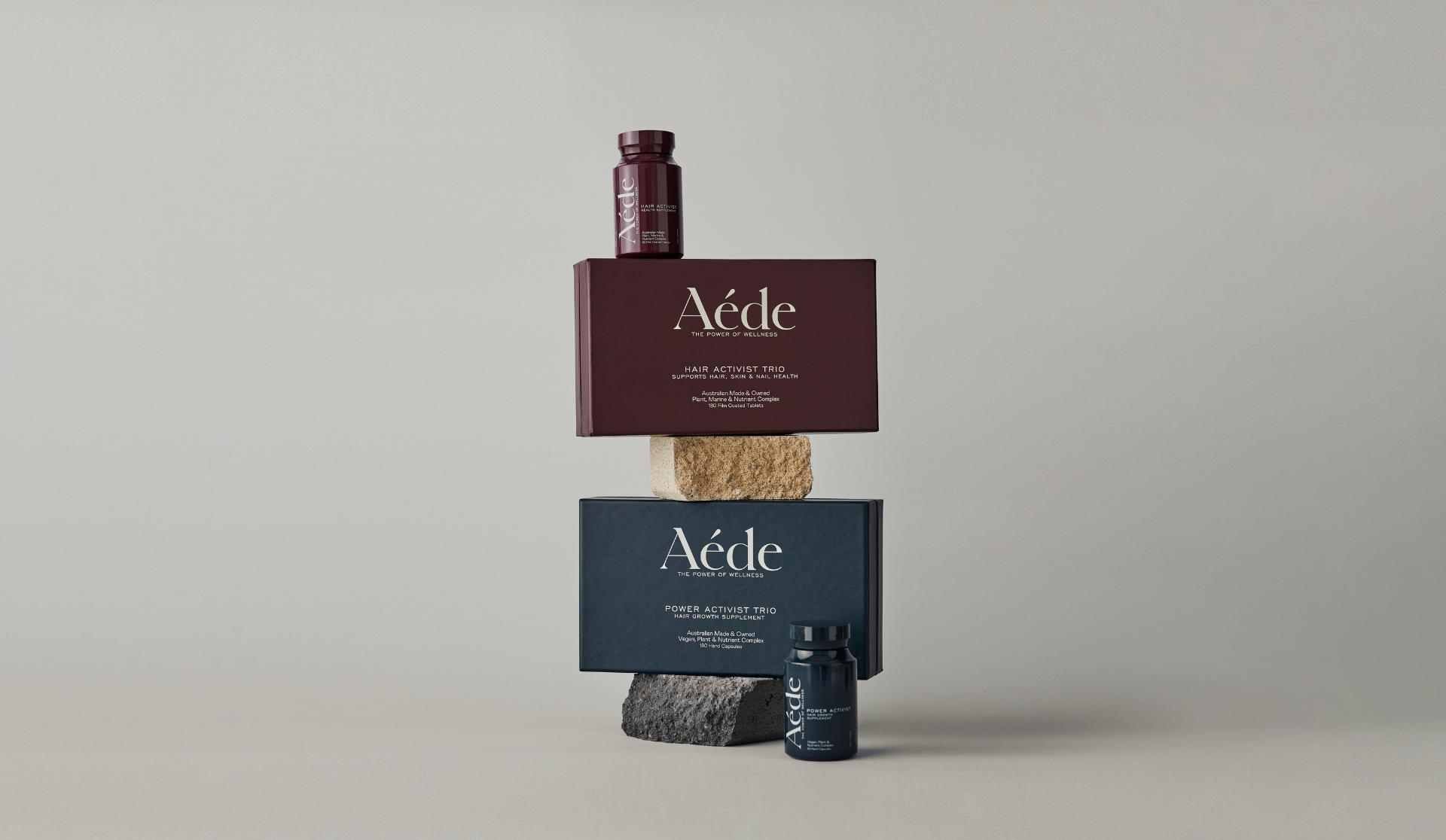
That’s where Power Activist enters the equation. Formulated to support the body through physiological stress and help maintain healthy hormonal pathways, it features a targeted dose of Saw Palmetto, an ingredient recognised for its ability to help reduce the conversion of testosterone into DHT, the hormone most closely associated with androgenic hair thinning. Combined with vital metabolic and thyroid support, it helps support the internal environment your follicles need to keep growing strong, so you can focus on your fitness goals without compromising your hair.
THE BOTTOM LINE
For most people, the current evidence suggests your daily scoop of creatine is unlikely to be secretly plotting against your luscious mane.
Hair health is rarely influenced by one single factor in isolation; it’s a reflection of the broader ecosystem. Hormones, recovery, stress, nutrient intake, sleep, and genetics all contribute to the bigger picture.
But if your body is running low on recovery, nutrients, or balance elsewhere, your follicles will usually be among the first to let you know about it. As always, if you’re already genetically predisposed to hair thinning and notice changes after introducing any new supplement, it’s worth paying attention to your body and speaking with a healthcare professional.
The body does love a team effort.